Tips for Growing Flower Bulbs: A Complete Guide for Indian Gardens
If you've ever wondered why some gardeners get thick, colorful flower spikes every season while others struggle with the same soil and sunlight - the answer is usually in the planting details, not the plant itself.
Flower bulbs are forgiving, but they aren't foolproof. A bulb planted 2 cm too shallow, watered on the wrong schedule, or fed at the wrong growth stage will still survive , it just won't perform.
This guide goes beyond the basics of how to grow flower bulbs, covering everything from exact planting depths and watering schedules for each growth stage to dedicated growing tips for bulb varieties that thrive in Indian conditions. Learn how to grow gladiolus, tuberose (Rajnigandha), ranunculus, amaryllis, daffodil, canna, rain lily, daylily, and the lesser-known Curcuma and ornamental turmeric varieties with confidence. If you're picking out bulbs, our flower bulbs collection has organic, non-GMO treated options for every one of them.
What Counts as a "Flower Bulb" And Why It Matters for Care
Gardeners use "bulb" loosely, but the plants sold as flower bulbs actually fall into a few different botanical categories, and knowing which is which changes how you plant them:
- True bulbs (tuberose, daffodil, amaryllis, rain lily) — layered storage tissue around a central bud, planted pointed-tip up.
- Corms (gladiolus) — a solid, flattened storage stem with a growing point on top and roots forming from a basal plate underneath.
- Tuberous roots (ranunculus) — look like small claws or fingers; these go in claw-side down, not tip-up.
- Rhizomes (canna lily, curcuma, ginger lily, black turmeric, mango ginger) — horizontal underground stems planted sideways, with growth "eyes" facing up.
The reason this matters: planting a corm or rhizome like a true bulb is one of the most common reasons a healthy-looking bulb never sprouts. We've noted the correct orientation for each variety in the growing guides below.
Getting the Planting Depth and Orientation Right
The general rule most gardeners hear is "plant a bulb 2–3 times its own height deep." That's a fine starting point, but in practice it's more useful to work from actual measurements, since bulb sizes vary a lot by variety:
| Bulb type | Planting depth | Spacing | Orientation |
|---|---|---|---|
| Gladiolus | 8–10 cm | 15 cm apart | Pointed tip up |
| Tuberose (Rajnigandha) | 5–6 cm | 20 cm apart | Pointed tip up |
| Ranunculus | 5 cm | 10–15 cm apart | Claws pointing down |
| Amaryllis | Top third of bulb above soil | Snug pot, 2–3 cm clearance on sides | Shoulder exposed, not buried |
| Daffodil | 10–12 cm | 10 cm apart | Pointed tip up |
| Canna Lily | 10 cm | 30–40 cm apart | Horizontal, eyes facing up |
| Rain Lily | 3–5 cm | 8–10 cm apart | Pointed tip up |
| Curcuma / Ginger Lily / Turmeric | 5–7 cm | 20–25 cm apart | Horizontal, eyes facing up |
| Daylily | Crown 2–3 cm below soil | 30 cm apart | Roots spread downward |
Two details worth calling out: amaryllis is the one bulb on this list that should sit mostly above the soil line rather than buried, and ranunculus is planted claw-down — the opposite orientation to almost every other bulb in your garden.
Soil and Drainage: The Step Most Gardeners Rush
Standing water is the single fastest way to lose a bulb to rot, so drainage matters more than fertility in the first few weeks.
Quick drainage test: dig a hole about 15 cm deep, fill it with water, and time how long it takes to drain. Under 10 minutes and the soil is too sandy to hold moisture; over 4 hours and it's too dense both need amending.
A reliable planting mix: combine garden soil, cocopeat, and vermicompost in roughly a 2:1:1 ratio. Cocopeat keeps the mix light and improves aeration around the bulb, while vermicompost adds slow-release nutrition without the risk of chemical burn. Most flowering bulbs prefer a slightly acidic to neutral soil, in the 6.0–7.0 pH range. If you're planting in containers, always start with pots that have drainage holes, a waterlogged pot will rot a bulb faster than almost any other single mistake.
Watering Through Each Growth Stage
Bulbs don't need the same amount of water throughout their life cycle, so matching the schedule to the stage prevents both rot and stunted growth:
- Right after planting: one deep watering to settle the soil around the bulb and eliminate air pockets.
- During active shoot and leaf growth: keep soil consistently moist and check by pressing a finger 2–3 cm into the soil; water only when it feels dry at that depth.
- Budding and flowering: ease off slightly. Overwatering during bloom is a common cause of bud drop and stem rot.
- After flowering (dormancy): reduce watering gradually as foliage yellows. For bulbs you plan to lift and store, like gladiolus and tuberose, stop watering almost entirely once the leaves die back.
Feeding Bulbs at the Right Stage
Applying the same fertilizer on a fixed calendar works, but timing the nutrient type to the growth stage gets noticeably better results:
- At planting: a phosphorus-leaning feed encourages strong root development before top growth begins.
- During leaf and stem growth: a balanced organic feed supports steady vegetative growth.
- As buds form: switch to a potassium-leaning feed, this is what drives flower size, color intensity, and stem strength.
A bio fertilizer applied every 2–3 weeks covers most of this without guesswork, and an organic plant growth regulator can help even out growth if some bulbs in a bed are lagging behind others.
Growing Guide for Each Flower Bulb
Gladiolus
A summer-flowering corm that produces tall, colorful spikes ideal for cutting. Plant from February to April, once the risk of cold snaps has passed, for blooms roughly 70–90 days later. Stake taller varieties early so the spikes don't bend under their own weight, and stagger planting every two weeks through the season for a continuous supply of blooms rather than one short flush.

Shop: Gladiolus Mix Color Bulbs · single-color packs · Vibrant Color Combo of 4
Tuberose Flower Bulbs

A true bulb prized for its fragrance, best planted May to June, just ahead of the monsoon, for blooms 90–120 days later. It needs full sun and warmth to establish, and the biggest mistake gardeners make is overwatering the bulb before it has sprouted — hold back until you see the first shoot.
Shop: Tuberose Flower Bulbs (Rajnigandha)
Ranunculus Bulbs

Technically a tuberous root, not a bulb, and it responds well to one extra step most gardeners skip: soak the claws in room-temperature water for 3–4 hours before planting to rehydrate them and speed up sprouting. Plant October–November, claws facing down, for winter blooms in warmer regions. Expect flowers in around 90 days.
Shop: Ranunculus Bulbs Mix
Amaryllis
A winter-flowering bulb that also does well as an indoor pot plant. Plant September–October in a snug pot with the top third of the bulb above the soil line. Blooms typically appear 6–8 weeks after planting. Once flowering ends, let the strappy leaves keep growing rather than cutting them back — they recharge the bulb for next year's bloom.

Shop: Amaryllis Flower Bulbs Mix
Daffodil
A durable, low-maintenance true bulb best planted October–November for blooms in February–March. Daffodils need a cool spell to flower well, so they perform best in North Indian winters or hill regions; in warmer plains, refrigerating bulbs for about 15 days at 7–10°C before planting can help substitute for that chill.

Shop: Daffodil Flower Bulbs
Canna Lily
A rhizome grown as much for its bold, upright foliage as its flowers. Plant March–April or right after the monsoon, laying the rhizome horizontally with growth eyes facing up. Give it generous spacing — the foliage spreads wide — and it tolerates partial shade and slightly boggy soil better than most bulbs on this list.

Shop: Canna Lily Flower Bulbs
Rain Lily
One of the easiest bulbs to naturalize in an Indian garden. Plant just before the monsoon arrives, in May–June, and once established, the bulbs multiply on their own year after year. Their signature trait: flowers open within 24–48 hours of a good rain shower, almost on cue.

Shop: Rain Lily Bulbs · white · pink · yellow
Curcuma, Ginger Lily & Ornamental Turmeric
These rhizomes are an underrated choice for Indian gardens because they thrive in the humid, partially shaded spots where most flowering bulbs struggle. Plant with the onset of monsoon, May–July, at 5–7 cm depth. The foliage dies back completely in winter — that's normal dormancy, not failure — and the rhizome resprouts on its own the following monsoon.
Shop: Curcuma Flower Bulbs · Ginger Lily Bulbs · Black Turmeric Bulbs · Mango Ginger Bulbs
Daylily (Hemerocallis)
About as low-maintenance as flowering plants get. Plant October–February with the crown sitting just 2–3 cm below the soil surface, and space clumps 30 cm apart since they expand steadily each year. Each individual flower lasts only a day, but a mature clump produces a steady succession of blooms for weeks.
Shop: Daylily (Hemerocallis) Bulbs
Bulbs Worth Skipping in Most Indian Gardens
Tulips, hyacinths, true lilies, and crocus are some of the least practical to grow across most of India. All four need a sustained cold winter chill to trigger flowering, something only hill regions get naturally; everywhere else, they require artificially chilling the bulbs in a refrigerator for weeks and often only flower well for a single season before losing vigor.
That's why you won't find them in our range. Gladiolus, amaryllis, and ranunculus give you a comparable look, tall spikes, bold trumpet blooms, ruffled petals without needing a cold spell to perform.
Common Problems and How to Fix Them
| Symptom | Likely cause | Fix |
|---|---|---|
| Bulb turns soft or mushy | Waterlogged soil, poor drainage | Improve drainage mix, cut back watering, remove affected bulbs |
| Leaves but no flowers | Too little sun, or bulb planted too shallow | Move to 5–7 hours of direct sun; check planting depth |
| Yellowing leaves before bloom | Overwatering or nitrogen-heavy feed too late in the cycle | Switch to a potassium-leaning feed as buds form |
| Stunted or uneven growth | Nutrient-poor soil, inconsistent feeding | Apply bio fertilizer on a regular 2–3 week cycle |
| Chewed leaves or holes | Pests (aphids, thrips, snails) | Treat with organic pest control |
Choosing Pots and Containers for Bulbs
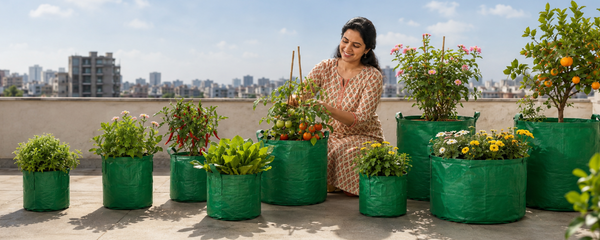
Container depth should roughly match the bulb's planting depth plus 5–8 cm of extra room below for root growth. Smaller bulbs like rain lily and ranunculus do well in wide, shallow pots; taller growers like canna and gladiolus need depth for root anchoring and stability against wind. Whatever the size, drainage holes aren't optional browse pots and planters or lightweight grow bags sized for each bulb type.
Month-by-Month Bulb Planting Calendar for India
| Months | Plant | Blooms | Best suited to |
|---|---|---|---|
| Feb–Apr | Gladiolus | Jun–Jul | Most of India |
| May–Jun | Tuberose, Rain Lily | Aug–Oct | Warm, humid regions |
| May–Jul | Curcuma, Ginger Lily, Turmeric | Jul–Sep | Humid, part-shade areas |
| Sep–Oct | Amaryllis | Nov–Dec | Indoors / pots, all regions |
| Oct–Nov | Daffodil, Ranunculus | Feb–Mar | North India / hill regions best; plains with pre-chilled bulbs |
| Oct–Feb | Daylily | Continuous, spring onward | Most of India |
| Mar–Apr / post-monsoon | Canna Lily | Ongoing through warm months | Most of India |
Start With Healthy Bulbs
Good technique only goes as far as the bulb you start with. Firm, disease-free, naturally preserved bulbs germinate more reliably and produce stronger plants than bulbs that have dried out or been chemically treated. Browse the full range of organic, non-GMO treated flower bulbs at Native Indian Organics, or try the Flower Bulbs Mega Combo of 10 Varieties if you'd rather experiment with several types in one season.
Frequently Asked Questions
Which way up do you plant a flower bulb?
Most true bulbs and corms go pointed-tip up, with the flat, root-forming base down. Ranunculus is the exception its claw-like roots point downward. Rhizomes like canna and curcuma are planted horizontally with the growth eyes facing up.
How can I make my flower bulbs grow and bloom faster?
Consistent moisture, 5–7 hours of direct sunlight, and a phased feeding schedule (phosphorus at planting, potassium as buds form) do more to speed up blooming than any single trick. Planting at the correct depth also matters bulbs planted too deep take longer to emerge.
Can flower bulbs be grown in water without soil?
Some, like amaryllis and daffodil, can be forced in water using a vase with support pebbles, though blooms tend to be shorter-lived than soil-grown bulbs and the bulb usually can't be reused afterward.
Do flower bulbs need to be dug up every year in India?
It depends on the variety. Gladiolus and tuberose are often lifted and stored after the foliage dies back, especially before winter dormancy or heavy monsoon rain. Rain lily, daylily, and canna can generally stay in the ground year-round and will multiply on their own.
Can I grow flower bulbs indoors or on a balcony?
Yes, Amaryllis, ranunculus, and rain lily all adapt well to containers with good drainage and a few hours of bright light. Taller growers like gladiolus and canna need deeper pots and more direct sun to perform well in containers.
What should I do with bulbs after they finish flowering?
Let the foliage die back naturally rather than cutting it early, the leaves feed nutrients back into the bulb for next season. Once the leaves have fully yellowed, you can lift and store bulbs that need a dry dormancy period, or simply reduce watering for varieties left in the ground.