


Job’s Tears Seeds (Nerpavalam / Adlay)
On orders above ₹499
On orders above ₹999
Job’s Tears Seeds (Nerpavalam / Adlay) is backordered and will ship as soon as it is back in stock.
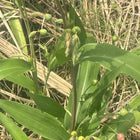


Product Description:
Job’s Tears Seeds (Nerpavalam / Adlay Seeds)
Looking for job’s tears seeds for sale that are both nutritious and easy to grow? Our premium-quality job's tears seeds (also known as Coix lacryma-jobi) are ideal for home gardeners, farmers, and health-conscious growers.
Popularly called Adlay Seeds globally, this versatile crop is valued for its medicinal benefits, food uses, and ornamental seed beads. Whether you're planning to cultivate for consumption or decorative purposes, these job's tears seeds online offer excellent adaptability and reliable growth.
Product Specifications
- Botanical Name: Coix lacryma-jobi
- Common Names: Job’s tears, Adlay, Nerpavalam
- Type: Annual grass (similar to maize)
- Seed Type: High-quality, viable coix lacryma jobi seed
- Uses : Health food (porridge, flour), Traditional medicine, Decorative beads (hard seeds)
Growing Guide
| Category | Details |
|---|---|
| Climate & Season | 20–30°C; moderate rainfall/irrigationSowing: Jun–Jul (rainy), Jan–Feb (irrigated) |
| Soil | Loamy to clay; well-drained & moisture-retentivepH: 5.5–7.5 |
| Seed Sowing | Seed rate: 8–10 kg/acreMethod: Direct / transplantDepth: 2–3 cm |
| Spacing | Row: 45–60 cmPlant: 20–30 cm |
| Irrigation | Maintain moisture; water every 5–7 daysAvoid waterlogging |
| Fertilizer | FYM/compost: 8–10 tons/acreOptional: Azospirillum + light nitrogen |
| Crop Management | Weed control (30–40 days)Earthing up + mulching |
| Pests & Diseases | Issues: Leaf spot, stem borersControl: Neem oil spray, sanitation |
| Harvesting | Duration: 4–5 monthsHarvest when seeds are hard & shinyDry before storage |
| Yield | 800–1200 kg/acre |
Benefits of Job’s Tears
- Rich in fiber and protein for better nutrition
- Supports digestive health and gut function
- Low glycemic index, suitable for balanced diets
- Contains antioxidants for overall wellness
- Naturally drought-tolerant and low-maintenance crop
- Versatile use in porridge, flour, soups, and health foods
- Multi-purpose crop – food, traditional medicine, and decorative beads
These benefits make job's tears seeds online a smart choice for both nutrition and sustainable farming.
Why Choose Our Job’s Tears Seeds?
- Premium-quality job's tears seeds for sale with good germination
- Suitable for Indian climatic conditions
- Ideal for home gardening and farming
- Multipurpose crop: food, medicinal, and ornamental
- Reliable option if you want to buy job's tears seeds online with confidence
Indian Regional Names:
जॉब्स टीयर्स के बीज (Jobs Tears ke Beej), நேர்பவளம் விதைகள் (Nerpavalam Vidhai), జాబ్స్ టియర్స్ గింజలు (Jobs Tears Ginjalu), ಜಾಬ್ಸ್ ಟಿಯರ್ಸ್ ಬೀಜಗಳು (Jobs Tears Beejagalu), ജോബ്സ് ടിയേഴ്സ് വിത്തുകള് (Jobs Tears Vithukal), জবস টিয়ার্স বীজ (Jobs Tears Beej), જોબ્સ ટીયર્સ ના બીજ (Jobs Tears na Beej), जॉब्स टियर्स बिया (Jobs Tears Bia), ਜੌਬਜ਼ ਟੀਅਰਜ਼ ਦੇ ਬੀਜ (Jobs Tears de Beej)
Buy Job’s Tears Seeds Online Today
Start growing this versatile and beneficial crop with our high-quality jobs tears seeds. Whether for farming, gardening, or health use, these coix lacryma jobi seed varieties are a valuable addition to your cultivation plan.
Order now and grow your own nutritious and traditional grain at home or farm.
Frequently Asked Questions
Best Sellers
View all-

 Best Seller59% off
₹120Unit price /Unavailable₹49Unit price /Unavailable -

 Best Seller35% off
₹60Unit price /Unavailable₹39Unit price /Unavailable -

 Best Seller70% off
₹1,000Unit price /Unavailable₹299Unit price /Unavailable -

 Best Seller28% off
₹40Unit price /Unavailable₹29Unit price /Unavailable -

 Best Seller
Red Radish Microgreens Seeds 100g
41% off₹200Unit price /Unavailable₹119Unit price /Unavailable -
 New arrival31% off
₹260Unit price /Unavailable₹179Unit price /Unavailable -
 New arrival50% off
₹500Unit price /Unavailable₹249Unit price /Unavailable -
 Best SellerNew arrival
Summer Vegetable Seeds Pack of 16
43% off₹700Unit price /Unavailable₹399Unit price /Unavailable -

 Best Seller28% off
₹40Unit price /Unavailable₹29Unit price /Unavailable -

 36% off
₹155Unit price /Unavailable₹99Unit price /Unavailable


