


Indian Coral Tree Seeds
On orders above ₹499
On orders above ₹999
Indian Coral Tree Seeds is backordered and will ship as soon as it is back in stock.


Product Description:
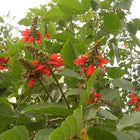
Indian Coral Tree, also known as Erythrina variegata, Pangara (in Marathi), or Mandara (in Sanskrit), is a fast-growing deciduous tree with stunning scarlet-red flowers. It’s prized in India for its ornamental value, pollinator attraction, use in shade plantations, and traditional medicine.
Key Features of Indian Coral Tree
| Feature | Details |
|---|---|
| Botanical Name | Erythrina variegata |
| Common Names | Indian Coral Tree, Mandara, Pangara |
| Tree Height | 10–15 meters (can be pruned for smaller size) |
| Flowering Time | February to April (before leaf flush) |
| Pollinators Attracted | Bees, birds, butterflies |
| Uses | Shade tree, ornamental, boundary plantation, nitrogen fixer |
| Native To | Indian Subcontinent and Southeast Asia |
How to Grow Indian Coral Tree from Seeds
1. Seed Preparation
Indian Coral Tree seeds have a hard outer coat – scarification is essential.
| Step | Description |
|---|---|
| Scarification | Lightly rub seeds with sandpaper or soak in hot water (not boiling) for 6–8 hours |
| Soaking | Seeds swell slightly; improves germination |
| Germination Time | 7–15 days (with pre-treatment) |
2. Sowing Instructions
| Step | Details |
|---|---|
| Best Time to Sow | February to May (just before monsoon) |
| Container or Nursery Bag | Use 6–8 inch deep pots for germination |
| Sowing Depth | 1–1.5 cm deep |
| Soil Mix | Garden soil + compost + river sand (2:1:1) |
| Light | Keep in semi-shade till sprouting; then move to full sun |
Post-Germination Care
-
Transplant when saplings are 8–12 inches tall (approx. 30–45 days)
-
Choose a sunny, well-drained location
-
Space trees 3–5 meters apart if planting multiple
-
Water regularly during first 6 months; drought-tolerant later
Mature Tree Care & Benefits
-
Flowers attract birds and bees
-
Fixes nitrogen in the soil – good for agroforestry
-
Tolerates coastal, saline, and dry climates
-
Traditional uses in Ayurveda for treating swelling and pain
Best Sellers
View all-

 Best Seller59% off
₹120Unit price /Unavailable₹49Unit price /Unavailable -

 Best Seller35% off
₹60Unit price /Unavailable₹39Unit price /Unavailable -

 Best Seller70% off
₹1,000Unit price /Unavailable₹299Unit price /Unavailable -

 Best Seller28% off
₹40Unit price /Unavailable₹29Unit price /Unavailable -

 Best Seller
Red Radish Microgreens Seeds 100g
41% off₹200Unit price /Unavailable₹119Unit price /Unavailable -
 New arrival31% off
₹260Unit price /Unavailable₹179Unit price /Unavailable -
 New arrival50% off
₹500Unit price /Unavailable₹249Unit price /Unavailable -
 Best SellerNew arrival
Summer Vegetable Seeds Pack of 16
43% off₹700Unit price /Unavailable₹399Unit price /Unavailable -

 Best Seller28% off
₹40Unit price /Unavailable₹29Unit price /Unavailable -

 36% off
₹155Unit price /Unavailable₹99Unit price /Unavailable


